
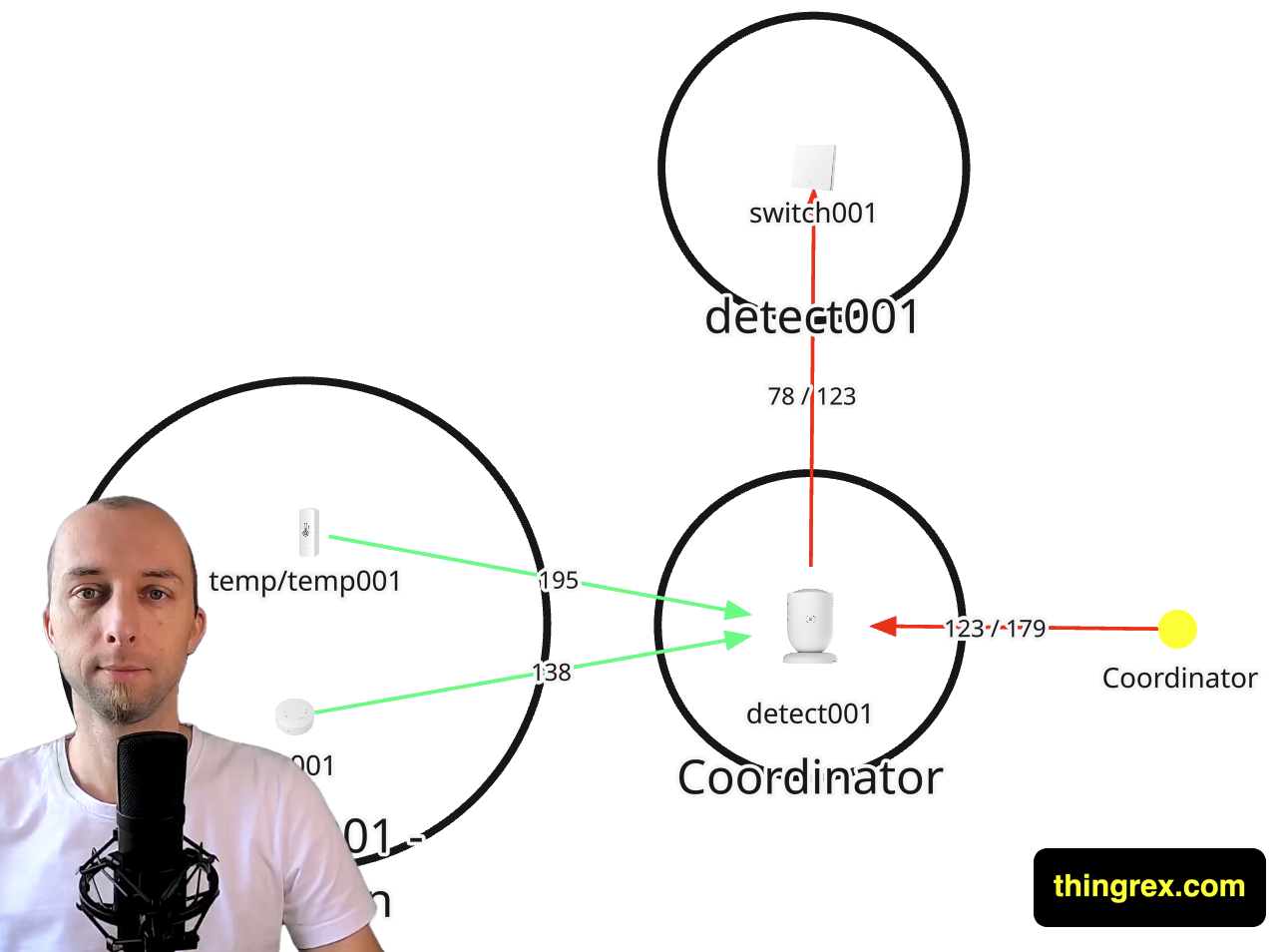
Recently, I created a simple solution that automatically turns the hall’s light on and off. Yes, I know, nothing fancy, but please don’t stop reading just yet.
I could have bought a lamp with that functionality built in, but that simple solution had several shortcomings:
- Searching for a lamp that matches the hall design.
- Fitting the new lamp in the same spot.
- What about my other lamps?
Upgrading a single piece of hardware does not improve the overall user experience, as legacy devices remain non-smart.
I have observed a similar situation in commercial projects.
- Business stakeholders asked for “innovation”.
- CTO purchased a new “shiny device”.
- Nothing happened.
A single “shiny device” rarely improves the operations of an established enterprise. A company is like a living organism consisting of versatile IT systems, hardware assets, and people. The “new improvement” must interconnect with all that tissue with minimal friction for end users.
Back to my home automation example, we have the same lamp that greets us when we enter home and “does not forget to switch itself off” - zero friction, 100% net positive outcome.
Designing and implementing factory/lab/office/vehicle automation is way more complex than my simple home setup. The “only” similarity is the business-outcome focus. That focus is absolutely crucial, as it is the major factor in the success/failure of the entire initiative.
Why was my little setup satisfying only for a short moment? The entire family got accustomed to it, and it quickly became the new baseline. The ZigBee/MQTT/Typescript solution works in the top shelf of the wardrobe without bothering anyone.