
/lm.png
Fractional CTO for Hardware-Enabled SaaS & Operations
Helping founders ensure their technology can handle the chaos of real-world operations.
I connect Physical and Digital Assets to deliver Business Outcomes.

Your internal notes, strategies, and operational documents are the missing ingredient to make AI meet (and exceed) your expectations.

Intro Vanilla coding agents are optimized for shipping web apps fast, and they are great at building SaaS products. But if you’re connecting sensors, managing edge deployments, or orchestrating hardware fleets, the default agents get completely lost. Connected infrastructure has constraints that generic AI has never encountered during training. Missing training data Hardware-specific protocols MQTT, Modbus, BACnet, LoRaWAN, Zigbee — these aren’t in the training data at scale. An agent that’s great at React components will hallucinate when building solutions using those technologies.

Hire for attitude and an open mind, not for hard skills. That is easier said than implemented.

Every day we read about mass layoffs by huge companies. But on the flip side, how do you hire a good technical engineer in the age of AI? I was involved in candidates’ interviews while working at AWS. I helped numerous founders to screen and hire candidates for different technical and management roles. Later on, I worked with those new hires and saw firsthand if those people were a good fit for roles, for teams, for tasks we had envisioned with the founders when we prepared for the hiring process.

Anomaly detection that understands context

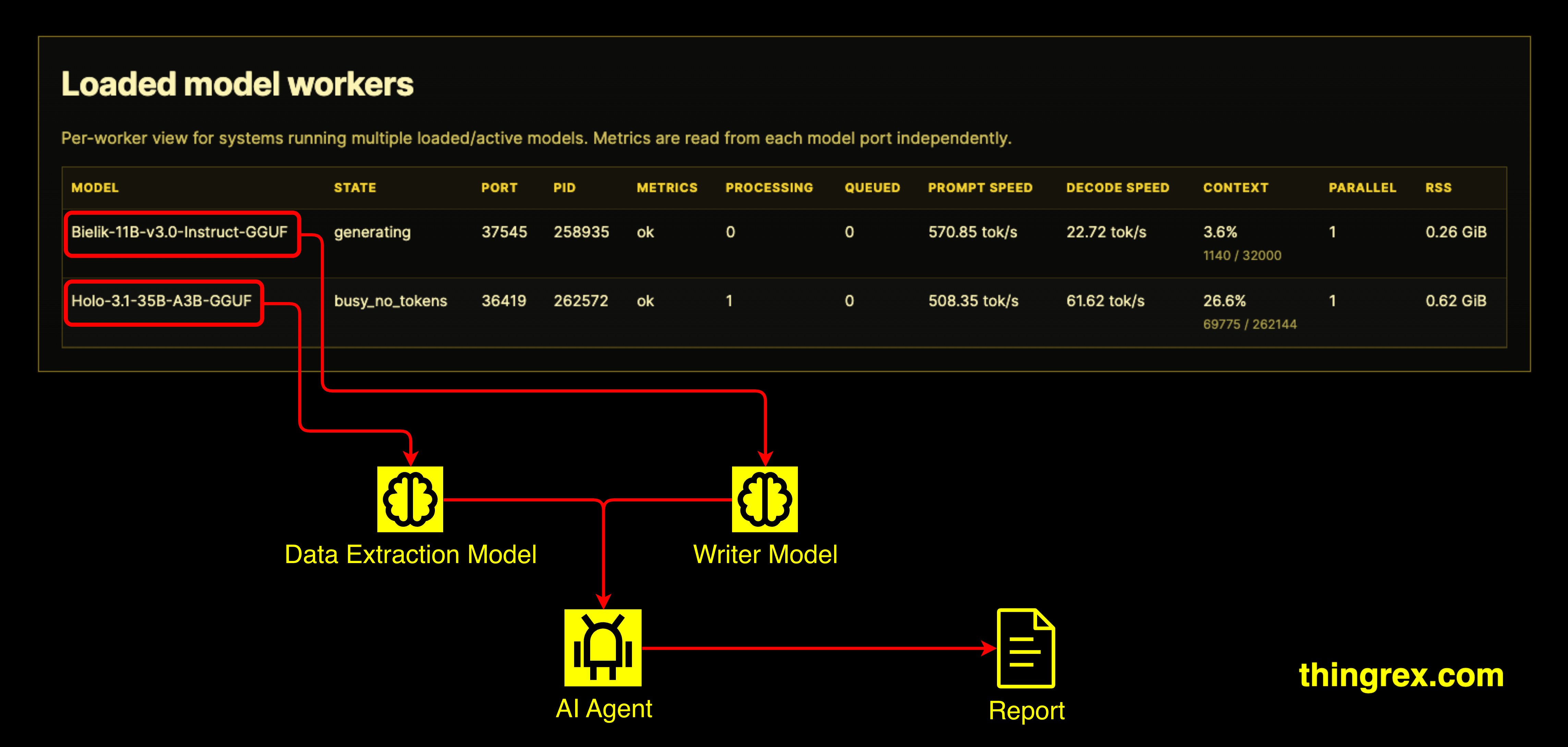
I have been experimenting with various AI agentic workflows over the past months, testing different architectural patterns and seeing where they deliver real value. Suddenly, I realized this technology is a perfect fit for IoT workloads that use MQTT (the primary protocol for managing devices). I have worked with MQTT for years, but I had not connected it to AI agents until recently. MQTT’s pub/sub architecture creates something unique: a continuous data stream that agents can subscribe to without impacting the environment.

The Myth of Perfect Architecture

The overall solution design is a challenging topic in the world of Small and Medium Businesses. I prefer working with those companies as they are very agile (in the day-to-day reality, not only on the powerpoint deck). On the same token, that agility makes it nearly impossible to properly design a solution (when we are halfway through the design/implementation process, the business conditions change, the owner adjusts, and I have to introduce small/medium/major updates).

The Vendor Trap: You're Flying Blind and Don't Know It 🎯

Typical scenario You hired a vendor to build your platform. They delivered on time, on budget, and it works. Then your investor/board asks: “What happens if this vendor disappears tomorrow?" You don’t know. Your team doesn’t know. The vendor knows - but they’re not telling. This is the Vendor Trap. And way more founders fall into it than would like to admit. What You Think You Bought When you hire a vendor, you think you’re buying:

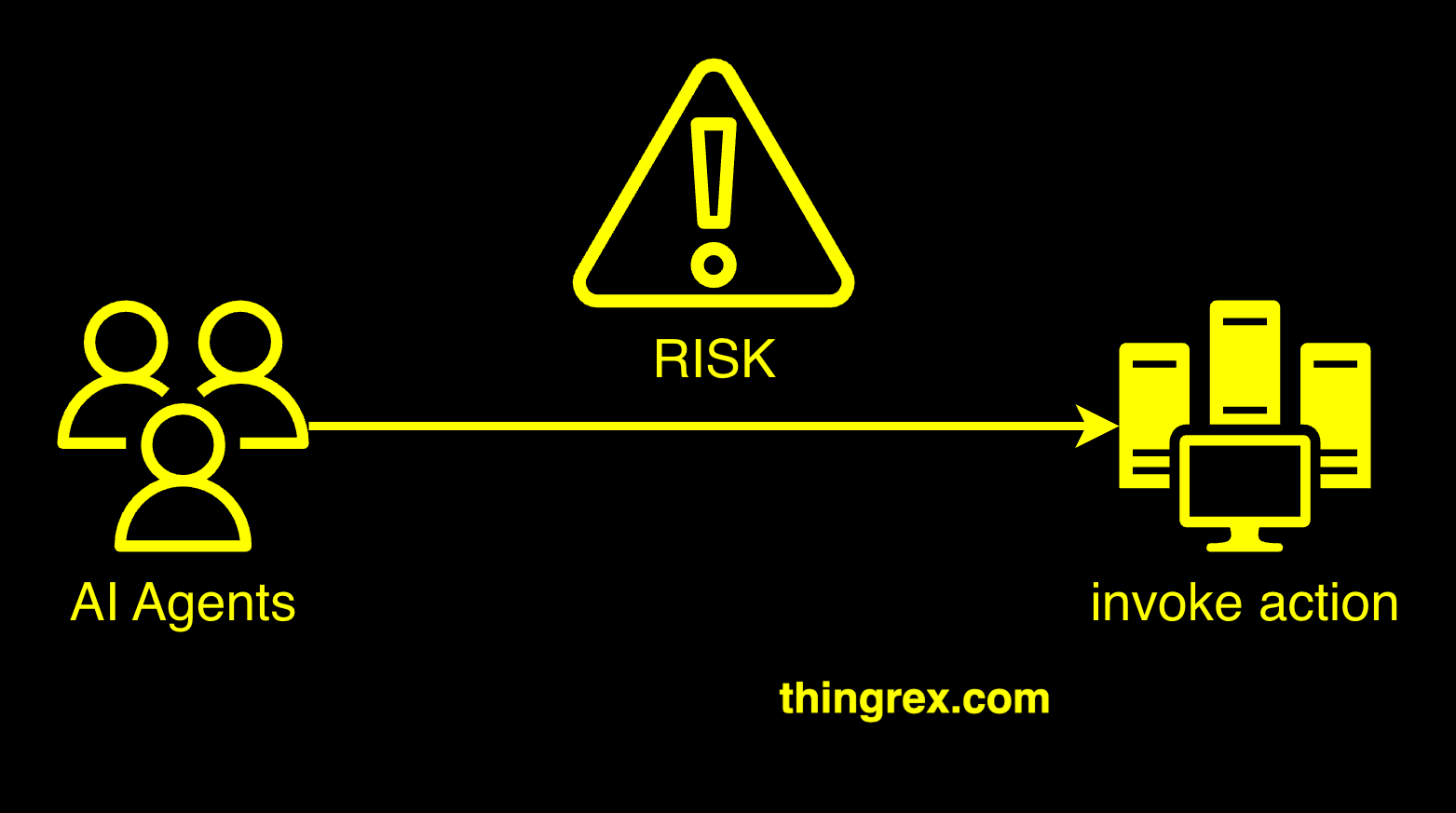
AI Agents Make Critical Mistakes 💣💥☠

Today, an AWS infrastructure management agent went down the wrong path. When I realized that, I was about to jump in and terminate the execution. Before I managed to smash the 'Esc' button, the Reviewer Agent caught it and course-corrected his AI colleague. The fix happened automatically. My team of agents self-corrected without my intervention. The root cause? My initial prompt wasn’t precise enough. I was in a hurry, and I assumed they’d read between the lines and fill in the details I neglected to describe.